Source Hydraulic Ball Valve for Water Industrial Household Usage
Explore 30 listings for hydraulic ball valve options including brass models with manual or electric driving modes. Buyers can compare specifications like nominal pressure, thread sizes, and surface treatments from verified China suppliers.
Key considerations
Products List




Comprehensive Sourcing Guide
Strategic Sourcing Guide for Hydraulic Ball Valves
Understanding Hydraulic Ball Valve Technical Specifications
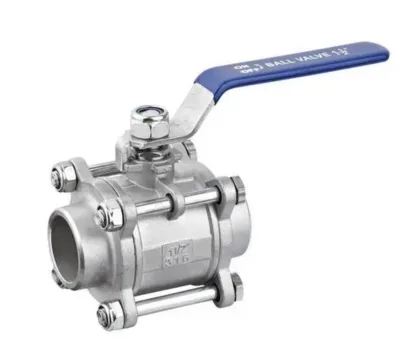
When sourcing hydraulic ball valves, buyers must first establish a clear understanding of the technical parameters that define performance and compatibility. The core of the hydraulic ball valve is the ball mechanism, which controls fluid flow. In the current market landscape, specific configurations such as the Floating Ball Valve and Flexible Ball Valve are frequently observed. These structural differences dictate how the valve handles pressure and seat wear. The Floating Ball Valve relies on the medium pressure to press the ball against the downstream seat, creating a seal, while the Flexible Ball Valve utilizes a specific design to accommodate minor misalignments or pressure fluctuations.
The driving mode is a critical differentiator. While manual operation is common for smaller applications, hydraulic ball valves specifically imply a reliance on hydraulic power for actuation. However, the observed market data also highlights Electric and Solenoid-driven options, which function via AC power supply to achieve similar control objectives. Buyers must verify whether the specific unit requires a hydraulic actuator or if an electric actuator is being used to simulate hydraulic control in a specific system. The nominal pressure range for these components is substantial, often spanning from PN1.0 to 32.0 MPa. This wide range indicates that the valves are engineered for both ordinary pressure and high-pressure industrial environments.
Material composition is another non-negotiable specification. The primary body material observed in high-volume listings is Brass, which offers excellent corrosion resistance and machinability. The internal ball is also typically constructed from Brass to ensure compatibility and reduce friction. For the handle or actuator interface, Iron is a common material choice, often subjected to surface treatments like Chrome Plating or Polishing to enhance durability and aesthetic finish. The connection form is predominantly Thread, with specific thread types including Bsp (British Standard Pipe), which can be customized to meet regional piping standards. The valve size generally ranges from Dn15 to Dn50, corresponding to thread sizes of 1/2" to 2".
Compliance, Standards, and Certification Verification
Navigating the compliance landscape for hydraulic ball valves requires a rigorous approach to verifying standards, as the market contains a mix of international and domestic specifications. The supplied data indicates that some products adhere to the GB (Guobiao) standard, which is the national standard of China. This is a crucial verification point for buyers sourcing from China Mainland, particularly from hubs like Shanghai and Yuhuan. While background knowledge often references standards like ISO 5211 for actuator mounting or ASTM D2466 for plastic piping, the provided facts do not confirm these specific certifications for the listed hydraulic ball valves. Therefore, buyers must explicitly request proof of compliance rather than assuming adherence based on general industry knowledge.
Certification status should not be inferred from product descriptions alone. For instance, while "Factory: Yes" confirms the existence of a manufacturing facility, it does not automatically validate a specific quality management system like ISO 9001. Similarly, the mention of "brass material" as a standard in some listings refers to the material composition rather than a formal industry certification. Buyers should demand a Certificate of Conformity (CoC) that explicitly lists the standard numbers relevant to the valve's pressure rating, material grade, and safety requirements. The absence of a specific standard number in a product listing is a signal to request this documentation before proceeding with a purchase.
Furthermore, the "prod_standard" field in some listings contains dimensions like "37X30X28CM," which refers to packaging dimensions rather than a technical standard. This highlights the importance of distinguishing between logistical data and engineering specifications. When evaluating a supplier, the buyer must ensure that the valve meets the specific pressure and temperature requirements of the application. The observed temperature ratings vary from "Normal Temperature" to "High Temperature," and the buyer must confirm the maximum operating temperature of the specific valve model to prevent failure in high-heat hydraulic systems.
Cost Drivers and Pricing Dynamics
The pricing structure for hydraulic ball valves is influenced by a complex interplay of material costs, manufacturing complexity, and customization levels. The observed price range in the market is extremely broad, spanning from $0.10 to $50,000 USD. This variance is not indicative of a single product type but rather reflects the diversity of the catalog, which includes simple manual valves and complex, fully automated hydraulic systems with electric actuators. The lower end of the spectrum likely corresponds to standard brass ball valves with manual or basic electric operation, while the upper end represents specialized, high-pressure, or custom-engineered hydraulic units.
Material costs are a primary driver. Brass is a commodity metal with fluctuating prices, and the thickness of the brass body directly impacts the cost. Valves designed for higher pressure ratings (up to 32.0 MPa) require thicker walls and more robust machining, increasing the material and labor cost. Surface treatment also adds to the price; chrome plating and polishing are value-added processes that improve corrosion resistance and appearance but require additional production steps. Customization is another significant cost factor. The market data confirms that customization is available, including thread type customization (Bsp) and specific model numbers like the KFB Series or TFB-010. Custom orders often incur higher unit costs and may have different Minimum Order Quantity (MOQ) requirements.
The MOQ range observed is from 1 to 1000 units. This flexibility allows buyers to test the market with small samples, as "Free Samples" are explicitly mentioned in the product attributes. However, for large-scale procurement, the MOQ may increase, and the unit price will likely decrease due to economies of scale. Buyers should be aware that the "Factory: Yes" attribute suggests a direct manufacturer relationship, which can potentially reduce costs by eliminating middlemen, but this must be balanced against the minimum order requirements. The packing method, such as "Ingle Valve Is Packed with Foam Plastic Bag" or "Export Standing Packing," also contributes to the final landed cost, especially for international shipping where protection against damage is critical.
Typical Applications and Operational Environments
Hydraulic ball valves serve a diverse array of applications, ranging from household usage to heavy industrial processes. The observed product attributes list "Household Usage," "Industrial Usage," and "Water Industrial Usage" as primary application areas. In household settings, these valves might be used for water supply control, though the high pressure ratings (up to 32.0 MPa) suggest they are over-engineered for typical residential needs unless used in specific high-pressure plumbing systems. In industrial contexts, the applications are more varied and critical. The "Function" attributes include "Relief Valve," "Blow-Down Valve," "Atmospheric Valve," and "Bypass-Valve," indicating their use in safety systems, pressure regulation, and fluid diversion.
The media handled by these valves is primarily Water, but the "Usage" attributes also include "Flow Control," "Temperature Control," "Drain," "Emptying," and "Safety." This versatility makes them suitable for hydraulic systems where precise control of fluid dynamics is required. The "Direct Action Diaphragm Structure" and "Pilot Operated" types mentioned in the data suggest that some valves are designed for specific control loops, such as maintaining a set pressure or temperature in a hydraulic circuit. The "Straight Through Type" channel design ensures minimal pressure drop, which is essential for efficient hydraulic power transmission.
Temperature is a limiting factor in application selection. While some valves are rated for "High Temperature," others are specified for "Normal Temperature" or "Ordinary Temperature." Buyers must match the valve's temperature rating to the operating conditions of their hydraulic system. In systems where the fluid temperature fluctuates significantly, a valve rated only for normal temperature may fail. The "Hydraulic" driving mode is specifically suited for applications requiring remote or automated control, such as in manufacturing plants, water treatment facilities, or energy generation plants. The ability to handle "Safety" functions makes these valves critical components in systems where over-pressurization could lead to catastrophic failure.
Supplier Evaluation and Manufacturing Capabilities
Evaluating a supplier for hydraulic ball valves requires a focus on their manufacturing capabilities and geographical location. The data indicates that the primary production hubs are in China, specifically in Shanghai and Yuhuan. Shanghai is a major industrial center with a strong presence of valve manufacturers, while Yuhuan is renowned as a "Valve Capital" in China, known for its concentration of brass valve production. The attribute "Factory: Yes" confirms that the supplier has direct manufacturing capabilities, which is a positive indicator for quality control and lead time management. However, buyers should verify the specific location of the factory to ensure it aligns with their logistics and compliance requirements.
Supplier evaluation should also include an assessment of their customization capabilities. The market data shows that customization is available for thread types and model numbers. A capable supplier should be able to produce valves with specific thread types (e.g., Bsp) and adapt the valve structure (e.g., Floating vs. Flexible) to meet unique application needs. The availability of free samples is a strong indicator of a supplier's confidence in their product and their willingness to engage in a trial phase. Buyers should utilize this opportunity to test the valve's performance, material quality, and surface finish before committing to a large order.
The packing standards mentioned, such as "EPE Foam Bag+Colorful Box+Stander Export Carton," suggest that the supplier is experienced in export logistics. Proper packaging is essential to prevent damage during transit, especially for precision components like ball valves. Buyers should verify that the packaging meets international shipping standards and is suitable for the specific valve size and weight. Additionally, the "prod_standard" field containing dimensions like "37X30X28CM" highlights the need for buyers to confirm that the packaging dimensions are accurate for their shipping calculations. A supplier that provides detailed and accurate packing information is more likely to be reliable in other aspects of the procurement process.
Quality Control and Long-Term Procurement Considerations
Ensuring the quality of hydraulic ball valves is paramount for the longevity and safety of the hydraulic system. Quality control should begin with a thorough inspection of the material composition. The brass body and ball must be verified to ensure they meet the required grade and purity. Surface treatments like chrome plating and polishing should be inspected for uniformity and adhesion to prevent corrosion. The "Surface Treatment: Chrome Plated" and "Surface: Polishing/Chrome" attributes indicate that these are standard processes, but the quality of the finish can vary between suppliers. Buyers should request samples to inspect the surface quality firsthand.
Long-term procurement considerations involve establishing a relationship with a supplier that can provide consistent quality over time. The "Customization: Available" attribute suggests that the supplier is flexible, but buyers must ensure that the customization process is well-documented and repeatable. This includes maintaining accurate records of the thread types, pressure ratings, and material specifications for each batch. The "Standard: GB" attribute indicates that the supplier may be familiar with Chinese national standards, but buyers should verify if these standards are sufficient for their specific application or if international standards are required.
The "Samples: Free" attribute is a valuable tool for initial quality verification. Buyers should use these samples to conduct performance tests, such as pressure testing and leak testing, to ensure the valve meets the required specifications. The "Nominal Pressure: PN1.0-32.0MPa" range is wide, and buyers must confirm that the specific valve they are purchasing can handle the maximum pressure of their system. Additionally, the "Temperature: High Temperature" and "Normal Temperature" ratings should be validated through testing to ensure the valve can operate safely under the expected thermal conditions.
Finally, buyers should consider the long-term availability of spare parts and support. A supplier that offers customization and has a factory presence is more likely to provide ongoing support and spare parts. The "prod_model" numbers, such as "KFB Series" or "TFB-010," serve as unique identifiers that buyers should record to ensure they can order replacements or upgrades in the future. By focusing on these quality control and long-term considerations, buyers can mitigate risks and ensure a reliable supply of hydraulic ball valves for their operations.
FAQs
What materials are used for hydraulic ball valves?
The primary body material is brass, and the internal ball is also constructed from brass. The handle material is typically iron, often subjected to chrome plating or polishing for durability and corrosion resistance.
Which driving modes are available for these valves?
Available driving modes include manual, hydraulic, and electric actuation. Some models feature solenoid valves powered by AC supply, while others rely on direct hydraulic power for operation.
What pressure ratings do these valves support?
The nominal pressure range spans from PN1.0 to 32.0 MPa. This wide range allows the valves to handle both ordinary pressure and high-pressure industrial environments effectively.
Can I customize the thread type for these valves?
Yes, customization is available for thread types, including Bsp standards. Buyers can request specific thread configurations to match regional piping standards or unique system requirements.
What is the typical MOQ for purchasing these valves?
The observed Minimum Order Quantity ranges from 1 to 1000 units. This flexibility allows buyers to test products with small samples or place large orders for industrial scale.
Where are these hydraulic ball valves manufactured?
Products originate from China, specifically from hubs like Shanghai and Yuhuan. Many listings confirm factory presence, indicating direct manufacturing capabilities in these regions.
What applications are these valves suitable for?
These valves are designed for household, industrial, and water industrial usage. They handle functions like flow control, safety, relief, and blow-down operations in various fluid systems.